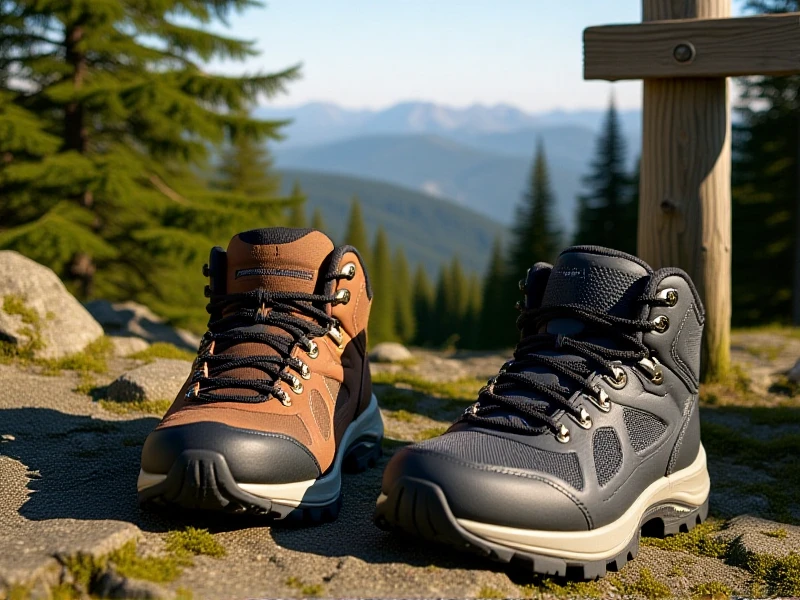
Your Ultimate Guide to Choosing the Best Hiking Boots
Here is an SEO-optimized article on Hiking Boots:
The terrain shapes you, but the right footwear shapes the journey. Hiking boots are more than just shoes; they're your essential connection to the trail, providing support, traction, and protection mile after mile. Choosing the best hiking boots is critical for comfort and safety, whether tackling challenging mountain paths or enjoying gentle woodland walks. Don't let the wrong boots ruin an adventure.
Start by analyzing where you'll hike most frequently. Lightweight trail runners or hiking shoes offer flexibility and breathability for well-maintained trails and day hikes. Genuine hiking boots provide superior ankle support and rugged durability necessary for rocky terrain, carrying heavier loads, or multi-day backpacking trips. High-cut backpacking boots offer maximum ankle stability and underfoot protection when navigating uneven surfaces over long distances while laden with gear.
Waterproofing is paramount. Materials like Gore-Tex or proprietary membranes keep feet dry crossing streams or walking through damp grass, while breathability helps prevent overheating. Leather boots (full-grain or nubuck) are naturally durable and weather-resistant but require more break-in time. Synthetics are often lighter and quicker to dry but might wear faster. Crucial features include aggressive, deep-lugged outsoles (like Vibram) for uncompromising grip on mud, wet rocks, and loose scree, preventing slips effectively. Robust toe caps shield feet from roots and rocks, and sturdy heel counters lock heels in place, enhancing walking efficiency and preventing blisters.
Proper fit is non-negotiable. Feet naturally swell during hiking; always try boots on in the afternoon with the hiking socks you intend to wear. Ensure roughly a thumbnail's width of space at the toe to avoid jamming downhill. Lace snugly for heel lockdown without constricting blood flow. Walk rigorously on an incline/decline simulator in-store to test slippage and comfort. The best hiking boots often require a deliberate break-in period to mold comfortably to unique foot shapes – wear them around home, progressing to short walks before committing to strenuous treks.
Protecting your investment is wise. After adventures, clean away debris, air dry boots thoroughly away from direct heat (which damages materials), and periodically apply appropriate conditioners recommended for the boot's fabric/leather. This prolongs waterproofing and suppleness.
Your hike deserves the foundational support of quality hiking boots. They are not an accessory; they are essential gear. Choosing thoughtfully ensures greater endurance, fewer injuries, and a profound connection with every step you take into the wild. Invest wisely, lace securely, and focus on the journey ahead, confident your feet are well-prepared. After all, a thousand-mile journey truly begins with the perfect pair of boots.