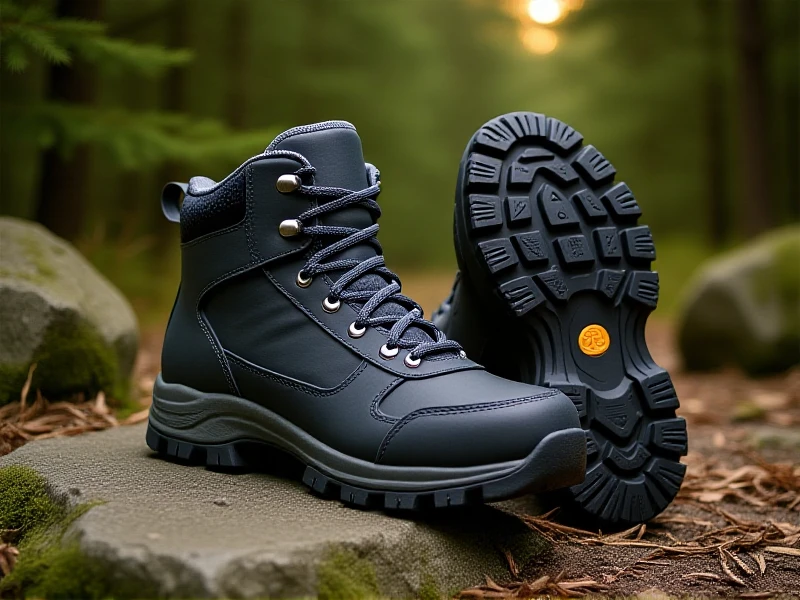
Unlock Adventure: Your Ultimate Hiking Boots Guide
Choosing the right hiking boots isn't just about comfort; it's the foundation for conquering miles with confidence and protecting your feet on diverse terrain. Forget blisters and unstable footing. Discovering your perfect match empowers you to explore further and embrace the wild with ease. Let's explore how to find hiking boots that transform your trail experience.
First, identify the terrain you frequent. Lightweight hiking boots or trail runners offer agility for well-maintained paths and day hikes. Their flexible soles cushion steps and provide good traction on packed earth. For tougher trails involving rocks, roots, or moderate loads, mid-cut hiking boots offer crucial ankle support and increased stability. Stiffer midsoles help navigate uneven ground safely. When tackling rugged backcountry, carrying heavy packs, or facing serious mud and scree, tall backpacking boots deliver maximum ankle protection, superior stability on off-camber slopes, and aggressive tread for relentless grip. Durability is key over harsh miles.
Key features dictate performance and longevity. Prioritize waterproofing; membranes like GORE-TEX® keep feet dry from stream crossings and soggy trails. Breathable uppers (suede, split-grain leather, technical mesh) prevent overheating. Vibram® outsoles are renowned for exceptional grip on wet, rocky surfaces, but many high-quality proprietary soles also excel. The midsole material, cushioning, and stiffness significantly impact comfort, support under load, and how easily your boot moves over uneven terrain.
Fit reigns supreme. Always try hiking boots on later in the day with the socks you plan to hike in. There should be a thumb's width behind your heel to prevent toe-jam on descents. Heels must sit snugly without lifting. Walk aggressively on an incline/decline ramp if possible – your toes shouldn't hit the front. Prioritize ample toe box width to avoid constriction during long downhills.
Breaking in hiking boots is non-negotiable. Wear them extensively on short walks before tackling lengthy hikes to soften materials and mold footbeds. Proper care dramatically extends lifespan. Clean off mud after hikes with a soft brush and damp cloth. Treat leather periodically with appropriate conditioners. Reapply durable water repellent (DWR) treatments regularly to maintain waterproofness. Air-dry thoroughly away from direct heat.
Investing time in selecting and caring for high-quality hiking boots pays dividends on the trail. Reduced fatigue, protected ankles, dry feet, and dependable traction translate directly to more inspiring journeys and the freedom to hike farther. Make comfort and support your priority; your feet unlock the adventure. Choose wisely, tread confidently.