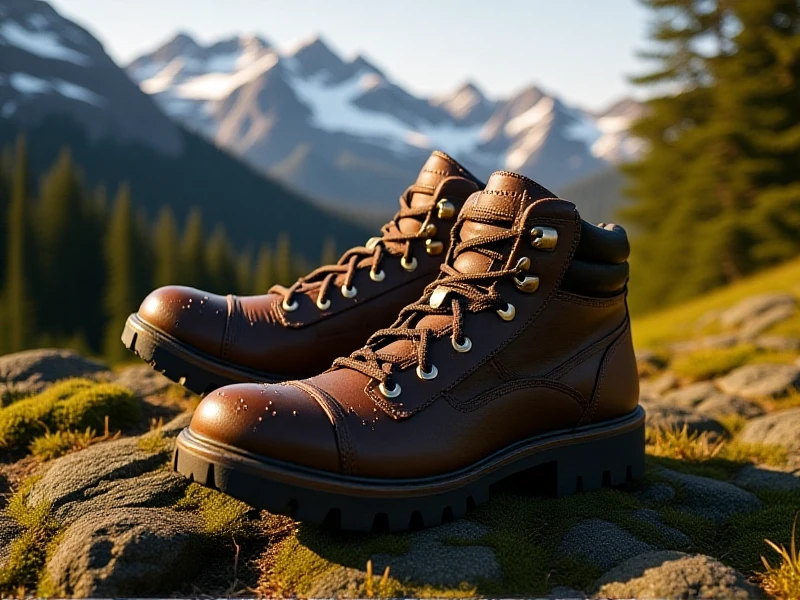
Your Guide to Finding the Perfect Pair of Hiking Boots
Hitting the trails offers unmatched freedom and connection with nature. But between you and that breathtaking vista lies essential gear, starting with what's on your feet. Choosing the right hiking boots is fundamental to enjoying your adventure safely and comfortably. This isn’t just about fashion; it’s about performance, protection, and endurance. Let’s break down why great hiking boots matter and what to look for.
First and foremost, dedicated hiking boots provide crucial support your everyday sneakers simply can't match. Trails are unpredictable—rocks, roots, loose gravel, and uneven terrain demand stability. Quality boots feature stiff midsoles and torsional rigidity to prevent ankle rolls, especially under a loaded backpack. This enhanced support translates to less fatigue, reducing the risk of injuries and letting you hike longer distances with confidence.
Protection is another key benefit. Tough, abrasion-resistant uppers (like leather or synthetic blends) shield your feet from scrapes, thorns, and impact. A protective toe cap guards against stubs, while a waterproof and breathable membrane (like Gore-Tex®) is vital for keeping feet dry in muddy patches, morning dew, or unexpected showers. Look for boots designed with a gusseted tongue to prevent debris from sneaking in.
Traction is non-negotiable. High-quality rubber outsoles, specifically designed with deep, multi-directional lugs, grip tenaciously on everything from slick rock to loose dirt slopes, preventing slips. The grip pattern and rubber compound significantly influence performance on different surfaces.
Not all hiking boots are the same. Consider your typical terrain:
- Light Trail Shoes/Hikers: Ideal for well-maintained paths and day hikes with light loads. They offer flexibility and are often quicker to break in.
- Mid-Height Boots: The most popular choice. They provide excellent ankle support and protection for most trail conditions, including moderate backpacking. These are versatile workhorses.
- Sturdy Backpacking Boots: Designed for carrying heavy loads over rough terrain or extended trips. They offer maximum support and durability, often with thicker soles.
Beyond Support and Protection:
- Fit is Paramount! This is critical. Your feet swell during hiking, so shop in the afternoon. Ensure a snug heel fit to prevent blisters, ample toe room (about a thumb's width), and no painful pressure points. Don't compromise here.
- Break-In Period: Never wear brand-new hiking boots on a long trek. Walk around town and on short trails first to mold the materials to your feet and prevent blisters.
- Weight: Balance support with comfort. Heavier boots offer more durability for rugged trips, while lighter options reduce fatigue on easier hikes.
Investing time in finding truly comfortable, supportive, and protective hiking boots pays off with every step you take. Your feet carry you through the adventure; equip them properly. Visit your local outfitters to try various brands and models – expert fitting and testing how boots handle an incline decline platform is invaluable. The perfect pair of hiking boots awaits, ready to unlock your next great outdoor journey. Enjoy the trails!